Five stars based on a visit in September 23. But is it still open? We’ve tried to book a table twice in the last thirteen months (June 24 and June 25) by emails, both of which were ignored. Last year they were closed for holidays, this year…? Who knows?
Overview
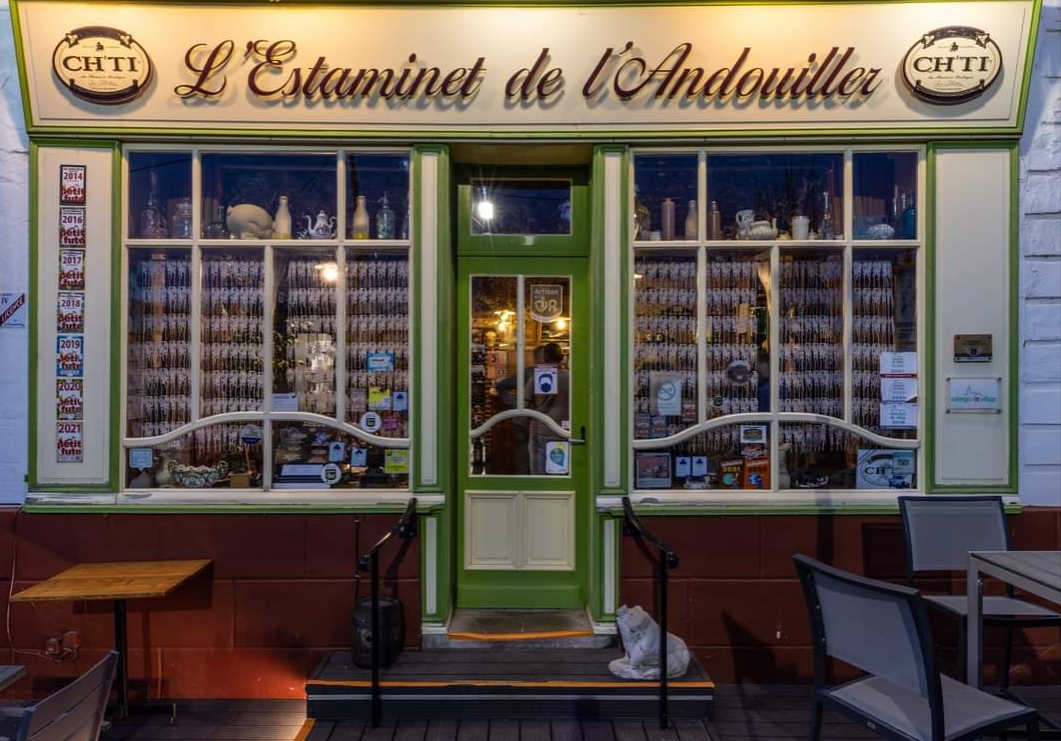
Tucked into the quiet village square at 15 Pl. du Marché, 62870 Douriez, France, L'estaminet De L'andouiller feels like the kind of place you discover once and then quietly recommend to friends who truly appreciate regional French cuisine. I first visited on a rainy afternoon after exploring the nearby countryside of Pas-de-Calais, and from the moment I stepped through the wooden door, the warmth inside contrasted beautifully with the grey skies outside.
The setting is classic estaminet style-rustic wooden beams, simple tables, chalkboard menu, and the comforting aroma of slow-cooked meats drifting in from the kitchen. Estaminets are traditional bistros rooted in northern France and Flanders, known for hearty dishes and local beers. According to French culinary historians and regional tourism boards such as Hauts-de-France Tourisme, these establishments preserve culinary heritage by focusing on seasonal, locally sourced ingredients. You can feel that commitment here, not as a marketing line but as a lived practice.
The menu is concise yet satisfying, centered around regional specialties. The star, as the name hints, is andouillette and other charcuterie dishes. If you’re unfamiliar, andouillette is a traditional French sausage made primarily from pork, known for its robust flavor. It’s not for everyone-but when prepared correctly, it’s exceptional. During my visit, I ordered their house andouillette with mustard sauce and frites. The sausage was grilled until the casing had a gentle crisp, while the inside remained tender and juicy. The mustard sauce was sharp but balanced, cutting through the richness without overpowering it.
What impressed me most was the technique. Instead of rushing the grill, the chef slow-cooked the sausage first, then finished it over high heat. This method, often recommended by French culinary schools for preserving moisture and texture, ensures depth of flavor. You could taste the care in every bite. A neighboring table ordered carbonnade flamande, a Flemish beef stew braised in local beer. The deep mahogany sauce and fall-apart beef were a testament to patient, low-temperature cooking-something backed by culinary research showing that slow braising enhances collagen breakdown, creating that melt-in-the-mouth texture diners love.
Service here feels personal rather than polished. The owner came by to explain the origin of their meats, sourced from regional farms. In fact, studies by the French Ministry of Agriculture show that short supply chains not only support local economies but also improve freshness and traceability. That transparency builds trust. When you’re told where your food comes from and you can taste the difference, it matters.
The drink selection leans heavily into northern French and Belgian beers, which pair beautifully with the robust dishes. I tried a local amber ale that had caramel notes and mild bitterness, ideal alongside the savory charcuterie. The staff happily suggested pairings, explaining how malt sweetness complements fatty cuts. It’s this kind of thoughtful recommendation that elevates a simple meal into a complete dining experience.
Online reviews consistently praise the generous portions and welcoming atmosphere. After my visit, I checked a few recent ratings and noticed that guests often mention the same things I experienced: authenticity, value for money, and a menu that doesn’t try to be trendy. Instead, it stays true to tradition. In a world where many restaurants chase novelty, there’s something refreshing about a place confident in its roots.
Of course, it’s worth noting that traditional dishes like andouillette have a strong flavor profile. If you prefer delicate, minimalist cuisine, this may not be your first choice. However, if you appreciate regional French food prepared with skill and respect for heritage, you’ll likely leave satisfied. The kitchen doesn’t overcomplicate; it refines what already works.
By the time I finished my meal, the dining room had filled with locals greeting each other by name. That alone says a lot. Restaurants in small villages survive on community loyalty, and this one clearly has it. Between the rustic decor, carefully crafted menu, and genuine hospitality, this estaminet stands as a living example of northern France’s culinary identity-unpretentious, generous, and deeply rooted in place.
Good to know
Service options
✓ Outdoor seating ✓ On-site services ✓ Takeaway ✓ Dine-in ✓ DeliveryHighlights
✓ Fireplace ✓ Great beer selection ✓ Great cocktails ✓ Great coffee ✓ Great dessert ✓ Great wine list ✓ Live musicPopular for
✓ Lunch ✓ Dinner ✓ Solo diningAccessibility
✓ Wheelchair-accessible car park ✓ Wheelchair-accessible entrance ✓ Wheelchair-accessible seating ✓ Wheelchair-accessible toilet ✓ Assistive hearing loopOfferings
✓ Alcohol ✓ Beer ✓ Cocktails ✓ Coffee ✓ Healthy options ✓ Small plates ✓ Spirits ✓ WineDining options
✓ Lunch ✓ Dinner ✓ Catering ✓ Counter service ✓ Dessert ✓ Seating ✓ Table serviceAmenities
✓ Bar on site ✓ Gender-neutral toilets ✓ Toilet ✓ Wi-Fi ✓ Wi-FiAtmosphere
✓ Casual ✓ Cosy ✓ Quiet ✓ RomanticCrowd
✓ Family friendly ✓ Groups ✓ TouristsPlanning
✓ Lunch reservations recommended ✓ Reservations required ✓ Dinner reservations recommended ✓ Accepts reservationsPayments
✓ Bimpli ✓ Cheque Dejeuner ✓ Credit cards ✓ Debit cards ✓ Meal coupons ✓ NFC mobile payments ✓ Pluxee ✓ Ticket Restaurant ✓ Credit cardsChildren
✓ Good for kids ✓ Has changing table(s) ✓ High chairs ✓ Kids' menuParking
✓ Free of charge street parking ✓ Free parking lot ✓ On-site parking ✓ ParkingPets
✓ Dogs allowed ✓ Dogs allowed inside ✓ Dogs allowed outsidePhotos
1 / 4
Location
Reviews
- No ratings yet 1129 reviews
We had a wonderful time at l'Estaminet in Douriez, enjoying the homemade food with local recipes and authentic ingredients. The wine list is very appealing, catering to various tastes and budgets. The waitstaff, along with their bosses, warmly welcome you with a smile. The interior design has remained authentic for over a century, complete with a large and charming fireplace. Great job overall!
We enjoyed the Maroille, the dinner, the local Ch'ti beer and the wonderful hospitality. Prices absolutely reasonable and good portions. Creme brulee to die for and our host was extremely helpful in giving us local tourism maps to help plan the rest of our stay in the region. Very earthy cozy ambiance and we felt extremely lucky to have stumbled on L'Estaminet!
Lovely friendly place, nice staff who managed to deal with our limited French. Classic French food very well done and reasonably priced
Fantastic place, super friendly hosts. As authentic and cosy as you can imagine. Would make the detour to come back, absolutely lovely owners.
This was an amazing find. Typical French rural bar and restaurant. Good food and wine, the duck was superb, house wines were good, prices good value, staff friendly and helpful. Highly recommended.
One of (if not the best) the most impressive traditional french cuisine restaurants that I've been to. Northen French food that is always very good and not even expensive.
Great food and atmosphere. I used to come a lot but for some reason have not been for a year or so. Glad I've been again.